
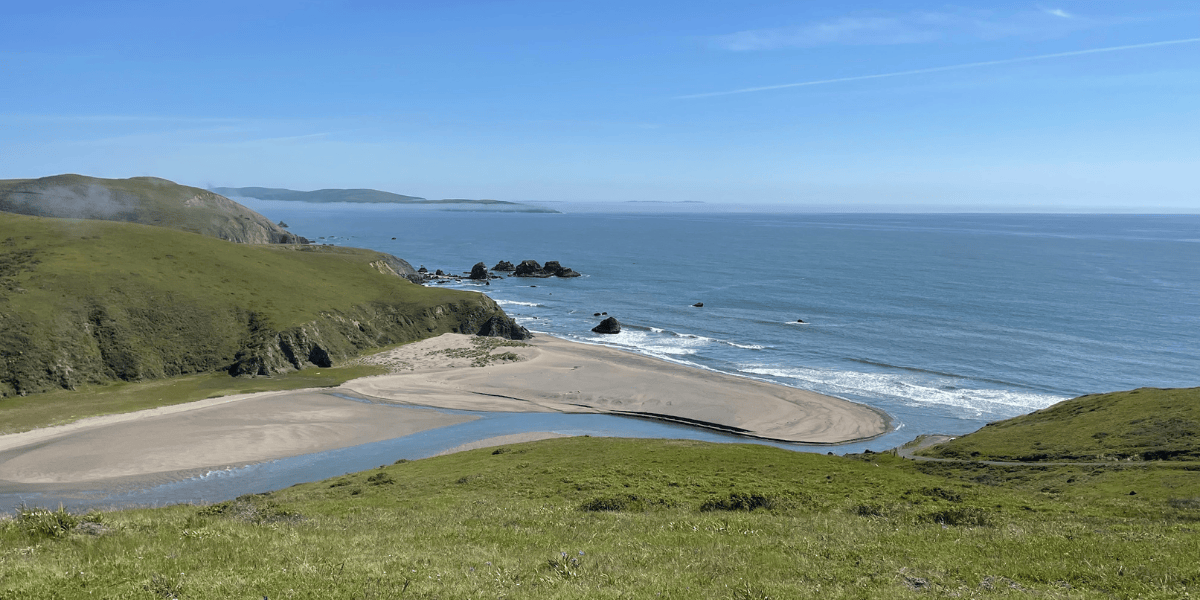
BookOfDisquiet, CC BY-SA 4.0 <https://creativecommons.org/licenses/by-sa/4.0>, via Wikimedia Commons
A Once-in-a-Century Opening on the Sonoma Coast
It is rare for something genuinely new to appear along the California coastline. Even rarer for that new experience to be historic.
For the first time in more than 100 years, a secluded and undeveloped stretch of the Sonoma Coast has opened to the public. The Estero Americano Coast Preserve, located just south of Bodega Bay, now allows visitors to walk land that has been privately owned and inaccessible for generations.
This opening is not simply the debut of a new hiking trail. It represents the return of public access to a landscape that has quietly existed outside the public eye since the early 1900s.
Why the Estero Americano Coast Preserve Matters
Much of California’s coastline is protected, but very little of it has remained completely off-limits to the public for an entire century. The Estero Americano Coast Preserve is one of the rare exceptions.
The land spans approximately 547 acres and sits at the meeting point of coastal prairie, estuary wetlands, and the open Pacific Ocean. It is bordered by the Estero Americano itself, a winding tidal estuary that also serves as the natural boundary between Sonoma and Marin counties.
For decades, this property functioned as a working ranch. While conservation groups acquired the land years ago, opening it safely required extensive planning, environmental review, and infrastructure work to ensure the preserve could be accessed without damaging its fragile ecosystems.
Only recently were those efforts completed, allowing the preserve to open fully for daily public access. For visitors today, that means stepping into a landscape that has remained largely unchanged for over 100 years.
The Trails That Define the Experience
The preserve features a thoughtfully designed network of trails that highlight both coastal views and the quiet interior of the landscape. Rather than concentrating visitors in one area, the trails spread out across open terraces and ridgelines, creating a sense of space and solitude.
Shellfish Gulch Trailhead
The primary access point to the preserve is the Shellfish Gulch Trailhead, located just off Highway 1. From here, visitors enter a wide coastal expanse that immediately feels different from more developed parks along the coast.
The initial trails are gentle and welcoming, gradually leading hikers up into the grassy terraces that define this stretch of Sonoma County.
Ridgetop Trails and Coastal Views
As the trail climbs, the views expand dramatically. From the ridgetop, hikers are rewarded with uninterrupted panoramas stretching south toward Point Reyes National Seashore and north along the rugged Sonoma Coast.
On clear days, visibility extends far offshore, offering rare glimpses toward the Farallon Islands. Unlike cliffside viewpoints elsewhere, these ridges feel open and expansive, with space to pause, sit, and take in the landscape without crowds.
The 1.6-Mile Estuary-to-Beach Route
One of the most talked-about features of the preserve is the approximately 1.6-mile trail that leads down toward the mouth of the Estero Americano.
This route brings visitors to a secluded sandy beach tucked below coastal bluffs. Before the preserve opened, reaching this beach required scrambling over slippery rocks and carefully timing the tides. Today, the trail offers safe and reliable access, making the beach one of the most peaceful and remote spots on the Sonoma Coast.
The sound of the estuary meeting the ocean, combined with wide-open shoreline and minimal human presence, creates an experience that feels increasingly rare in California.
A Living Landscape
The Estero Americano Coast Preserve is as much about ecology as it is about scenery.
Throughout the year, visitors may encounter native wildlife moving through the grasslands and wetlands. Birdlife is especially abundant near the estuary, while mammals such as deer and bobcats have already been documented within the preserve.
In spring, the hillsides come alive with seasonal wildflowers, including California poppies and purple irises. These blooms add color to the rolling green terrain, reinforcing the sense that this land is still very much alive and evolving.
What Makes This Preserve Different
Unlike many coastal destinations, the Estero Americano Coast Preserve has intentionally remained simple.
There are no cafes, no interpretive centers, and no commercial amenities. Facilities are minimal by design. This allows the landscape itself to remain the focus and preserves the sense of discovery that comes from walking land that feels untouched.
Visitors are encouraged to slow down, walk thoughtfully, and respect the preserve’s role as protected open space.
Visiting Responsibly
The preserve is open daily and free to the public. Parking is available near the Shellfish Gulch Trailhead, and portable restrooms are provided near access points.
To protect the land and wildlife, dogs, bicycles, and horses are not permitted on the trails. There is no drinking water available within the preserve, so visitors should plan accordingly.
Good walking shoes, layered clothing, and time to explore without rushing will help ensure a rewarding visit.
Staying Nearby on the Sonoma Coast
Because the preserve is located just south of Bodega Bay, staying nearby allows visitors to experience it without turning the visit into a long day trip.
Sonoma Coast Villa offers a quiet coastal base within easy driving distance of the preserve. Its location makes it convenient to visit the trails early in the day or return later for a second walk as light and weather conditions change.
Rather than navigating busy coastal hubs, guests can focus on the landscape itself and enjoy the slower rhythm that defines this part of the coast.
A Rare Moment in California’s Coastal History
California’s coastline is constantly changing, but openings like this are exceptionally rare.
The Estero Americano Coast Preserve is now part of the public landscape, but it is still in its earliest chapter. Visiting now means experiencing it before it becomes widely known, before routines form, and while the sense of discovery remains strong.
For those who value natural beauty, quiet exploration, and meaningful access to protected land, this is a moment worth experiencing.
For the first time in 100 years, this stretch of the Sonoma Coast is open. And it is waiting to be walked.